

Peru was high up on my bucket list. As someone who binge-watches history videos on YouTube and doom-clicks Wikipedia, I was really excited to finally embark on this trip. South America, being located literally on the opposite side of the world to Singapore, is this faraway place that I’ve always been intrigued by. Finally drawing up plans for this felt like I was going on this grand adventure to finally see and experience things that I was only able to see in documentaries and pictures, for myself.
Historically, a lot of my trips were more or less impromptu – if there was any semblance of planning at all, it would be the absolute basics like transportation and maybe accommodation. Well, this one’s very different. The altitudes that we were getting exposed to were nothing that I’ve ever experienced in my life. I got into this rabbit hole of researching what altitude sickness could do to you if you don’t manage it well – things like mountain sickness, pulmonary oedema, and cerebral oedema all popped up on my screen. This was either going to be a trip of a lifetime or a complete disaster. In fact, in the week or two leading up to our trip, on top of my usual jogs, I started jogging whenever I went to Sainsbury’s and back for my usual grocery shopping. I’m just going to say this but that didn’t help. It was also the first time I had to get prescribed medication to cope with any particular environment. I got some altitude sickness pills that I had to start taking a few days before the trip started. By the way, you get this bubbly feeling in your bloodstream once you start taking them. Also, travel insurance was painful – most of the stuff we found didn’t insure us above 3,400m since that was considered to be “extreme sport.” Finding Peruvian currency was a nightmare as well. I went to many money exchanges all over London and none had any. Oddly, the only place that had some currency left was where I lived in a market town somewhere in Berkshire.
My travel partner and I set up an Excel sheet of our trip’s itinerary, and we had two extra unusual columns; one for altitude, and the other for circadian rythm. I’ll come back to the circadian rhythm but for the altitude, we had to plan carefully where we were sleeping since we had to acclimatise to the different altitudes. For example, our initial transit city, Lima, was at sea level. Cusco was about a whopping 3,400m above sea level, and we weren’t gradually climbing or anything; we were flying in straight into the city. So, we decided to descend first to Ollantaytambo at 2,800m and spend a night there. Night after night, we would then slowly gain altitude. Now, the circadian rythm, which is essentially a body clock indicator, was more for my travel partner because she flew in all the way from Singapore, whereas I was already based in London. In a fit of irony though – I dozed off more than she did.
Our flight into Cusco was a mini-journey in itself. A total of 3 flights, starting in London, transiting via Madrid, and then a final leg from Lima to Cusco. Our flight to Lima was quite interesting – we were sat in the emergency exit rows right next to the lavatory. I noticed many passengers struggle with the lavatory. Presumably, a lot of the passengers on our flight were first-time flyers, or didn’t fly frequently. Some didn’t lock the doors, leading to some embarrassing encounters, and some couldn’t open the doors either and that includes when they were trying to get out as well. I recalled some of us at the front helping to show how to open the doors, and also helped lock the doors using the secret door lock. There was one incident where this passenger started to knock on the door in a mild panic because she couldn’t get out so I helped to open it. At the break of dawn, as we finally touched down after 12 hours, the cabin erupted in applause – a first I’ve ever had in my life. I was facing directly to the cabin crew’s jumpseat so we looked at each other and we both let out a cheeky grin.
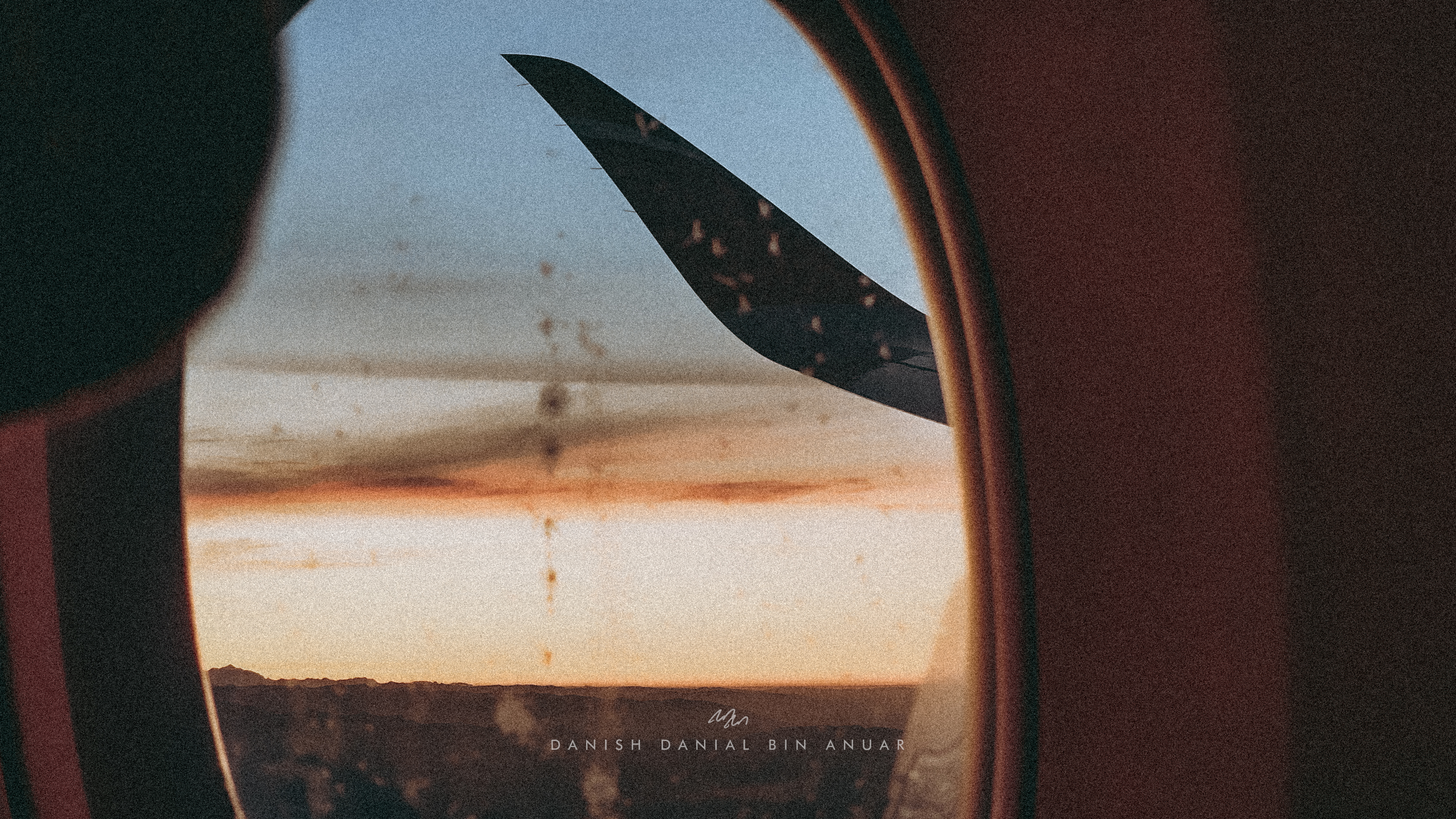
Then came our next flight to Cusco. You see, we didn’t book a confirmed plane ticket for this leg. As an airline employee there’s this benefit where you’d be able to get on a flight on a standby basis. Essentially, what that means is, you’ll get on only if there are empty seats on the plane. I was a little nervous – it was a really busy flight. We had a driver waiting in Cusco so I wasn’t sure how it was going to work out when I have to break the news that I didn’t get on my flight. I stormed up and down the terminal in trepidation, refreshing my LATAM airline app again and again hoping they assigned a seat. In fact, I let my travel partner through the boarding gate first before I did because I didn’t want to leave her behind at the airport if things didn’t go well. At the boarding gate, as the agent scanned our boarding passes, the moment of truth – the machine beeped once. A green light. I was thrilled. We were on our way.
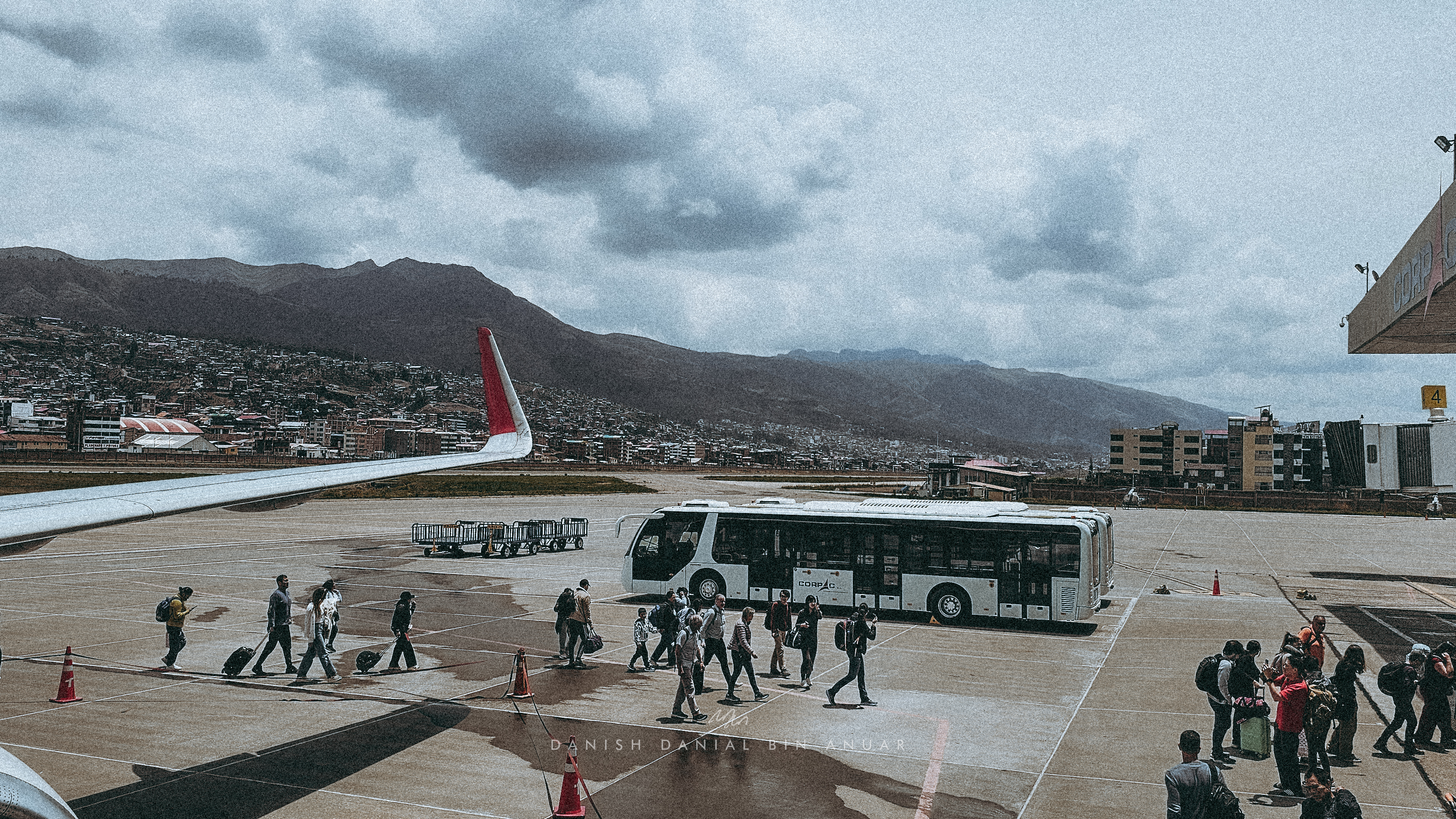
My hands and feet got a little clammy as the plane fought the wind shear as we were landing into Cusco through this tight flightpath in between mountains into Cusco. We had really upclose views of the hills and the houses that line them just right out of our window. As the cabin doors opened, the very first thing I started thinking about was all the stuff I read on the internet. I got conscious of my breathing, and I started regulating it. After a while, though, I was like, “Hmm, well actually this air seems pretty normal.”
Journey to Ollantaytambo
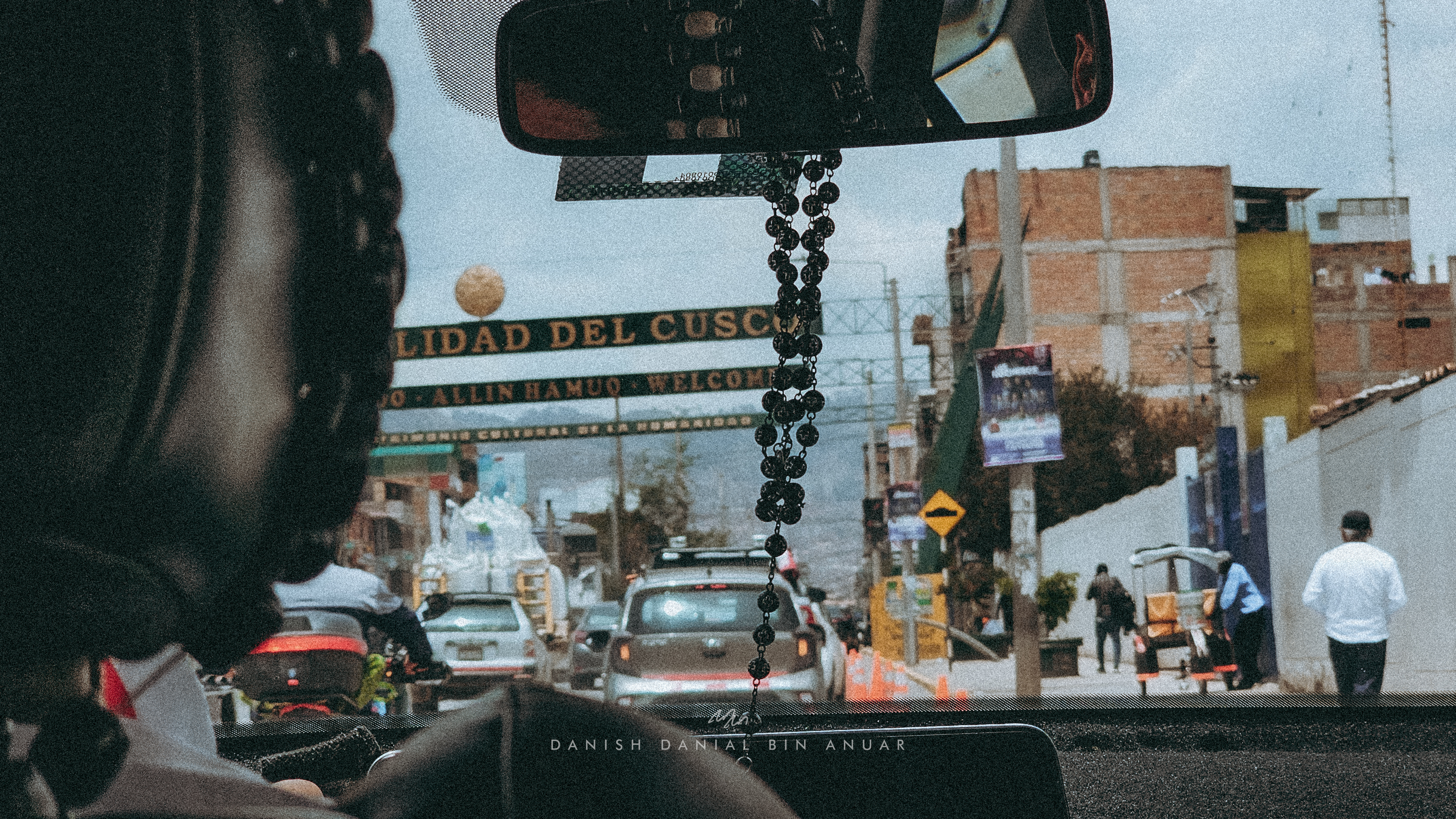
As part of our plan to better manage with the altitude, we got our driver, Marcial to drive us down to Ollantaytambo, a town in the Sacred Valley of the Incas about 1.5 hours direct drive away, where we’d spend 2 nights acclimatising to the high altitudes. Marcial could only speak and understand a little English, and us, with the broken “un poco” Spanish we knew had a fun time trying to understand and communicate the stuff we’re going to go to along the way. A “si” from us would get a thumbs up, and a “no entiendo” would mean the good old Google translate. Thankfully, he had a handy pamphlet of places that we were going to visit along the way.
At our first stop, we arrived at Chinchero. We saw a demonstration of how dyes are made at a local workshop where they would make all kinds of textiles. Incan textiles are known to be very virant and colorful – as we walked in, we were greeted by tassels of a whole array of colours that were hung by the ceiling and the walls. Fascinating to see how they’ve used a variety of combination of minerals and produce to make dyes of all kinds of colours. We also saw our first few llamas whose fur are used to make those textiles – textiles that were made using baby llama wool were soft to the touch compared to older llamas.

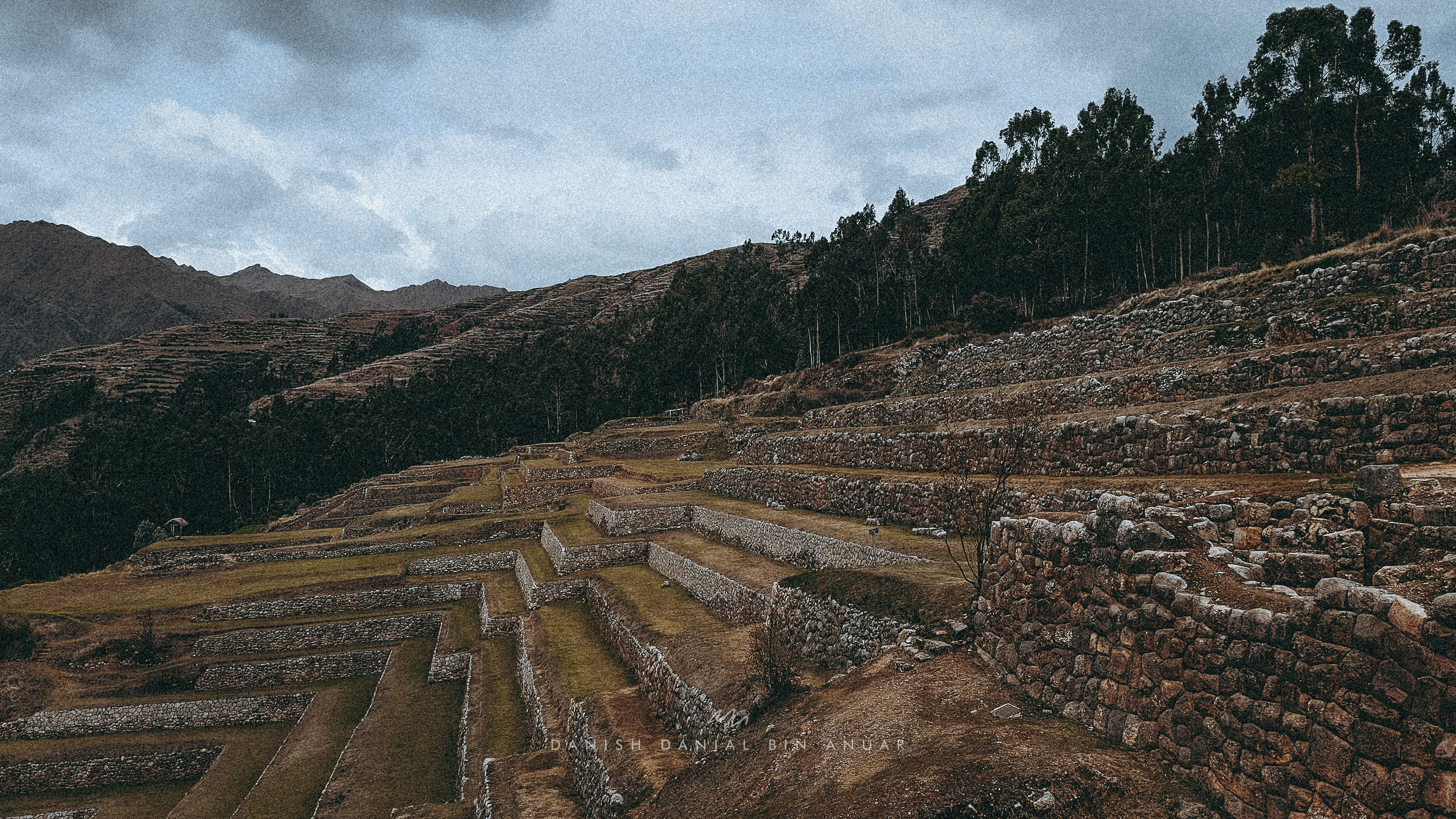
We then walked around a bunch of ruins close by, where we saw our first Incan terraces and a small village which was a first-hand introduction to a typical Peruvian village. The ruins were a good appetiser of the tens of ruin sites we’re going to visit throughout the trip, a theme my travel partner would call, “Ruined by Peru.” As I climbed up a small flight of steps, there was something peculiar – I started breathing heavily. We realised from Cusco, we elevated higher to a whopping 3,700 km above sea level. This was where I got my first taste of altitude sickness. Subsequently, I had this throbbing headache come and go, and it wouldn’t stop until we arrived in Ollantaytambo. It started off with a little bit of sarcasm – now, I was truly getting ruined.
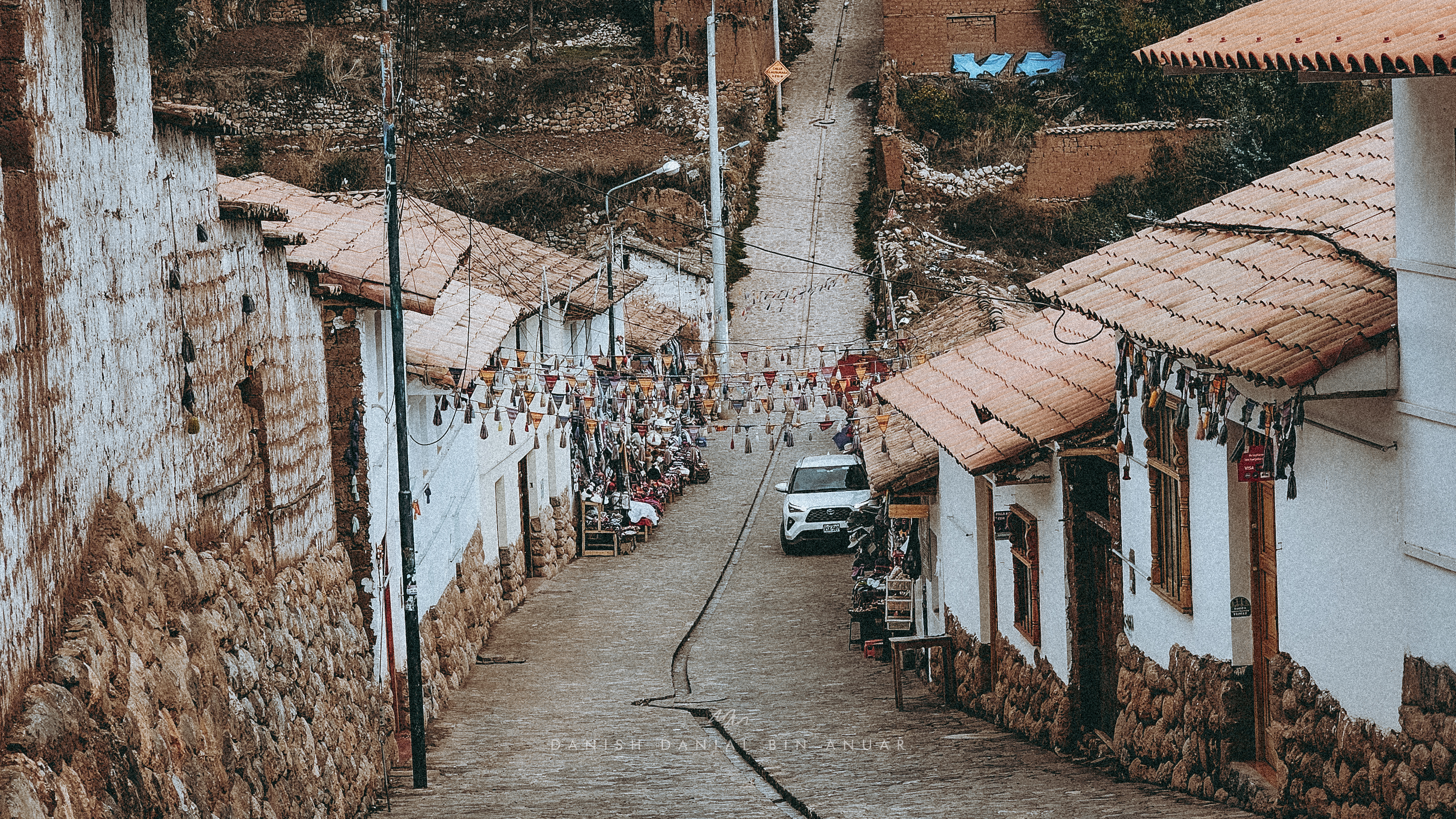
We then headed over to Maras Salt Mine – a prehistoric-era salt mine. As we drove down to the main site, we saw this valley akin to sort of like a white honeycomb. Legend has it that the salty waters were the tears of Ayar Cachi, one of the brothers of the founder of the Incan Empire. His siblings locked him up in a cave because they feared his strength & power. It was still an active salt-mining site – there were workers collecting salt in bags in the many vats that were there. There was also a market where we could buy this salt in small bags as well.

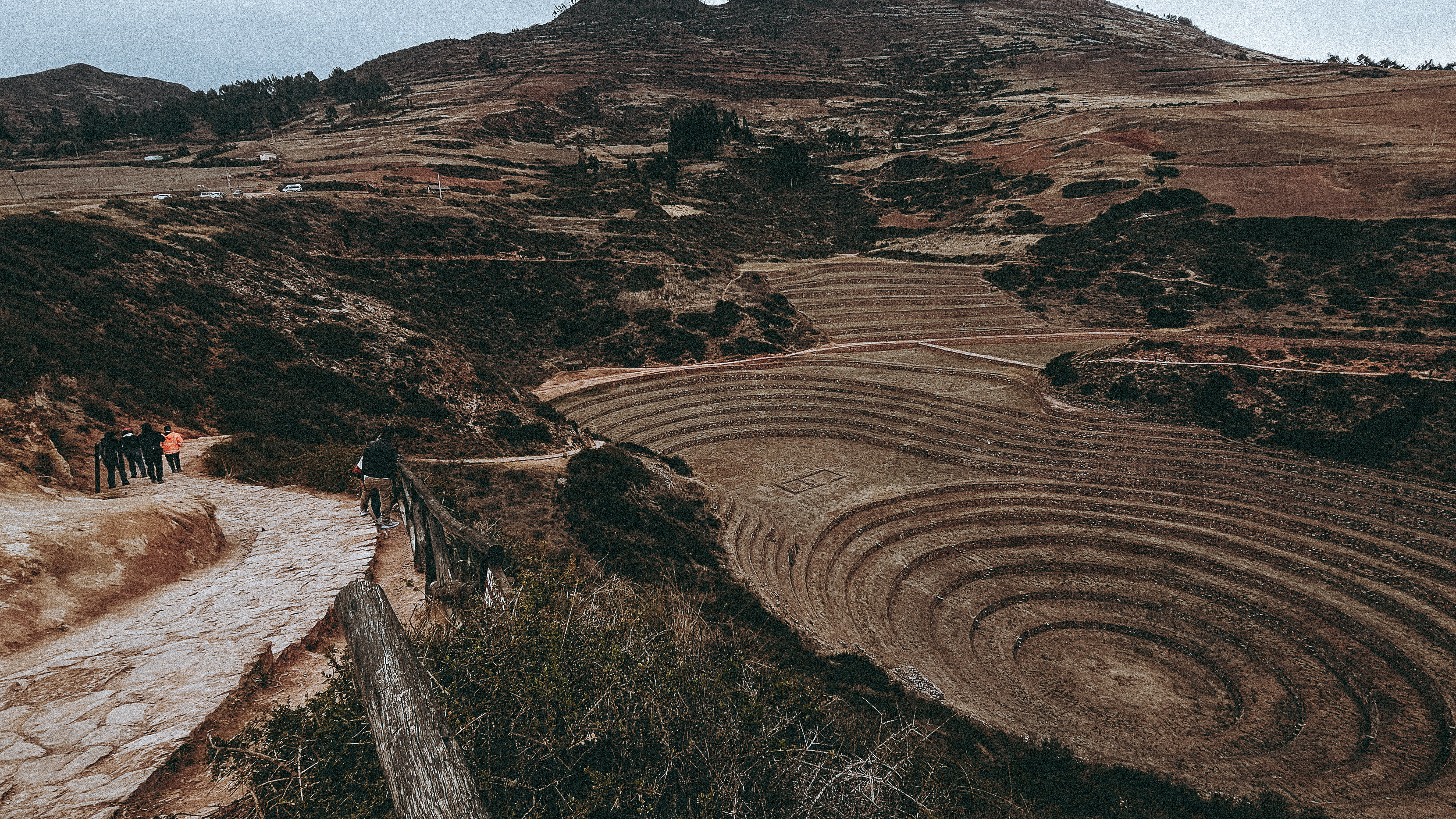
For our final stop – the Moray ruins. Along the way, we were greeted by our first snow-capped mountains. At the site, there weren’t any signages around so we sorta made stuff up along the way and guessed as to what these circular structures were. We thought it was a place of worship – but actually, it was widely believed to be a place to experiment with different agricultural methods. It was a good example of Incan ingenuity. Each terrace layer had a different micro-climate of its own; temperatures on each layer were different as the sun would shine at different angles.
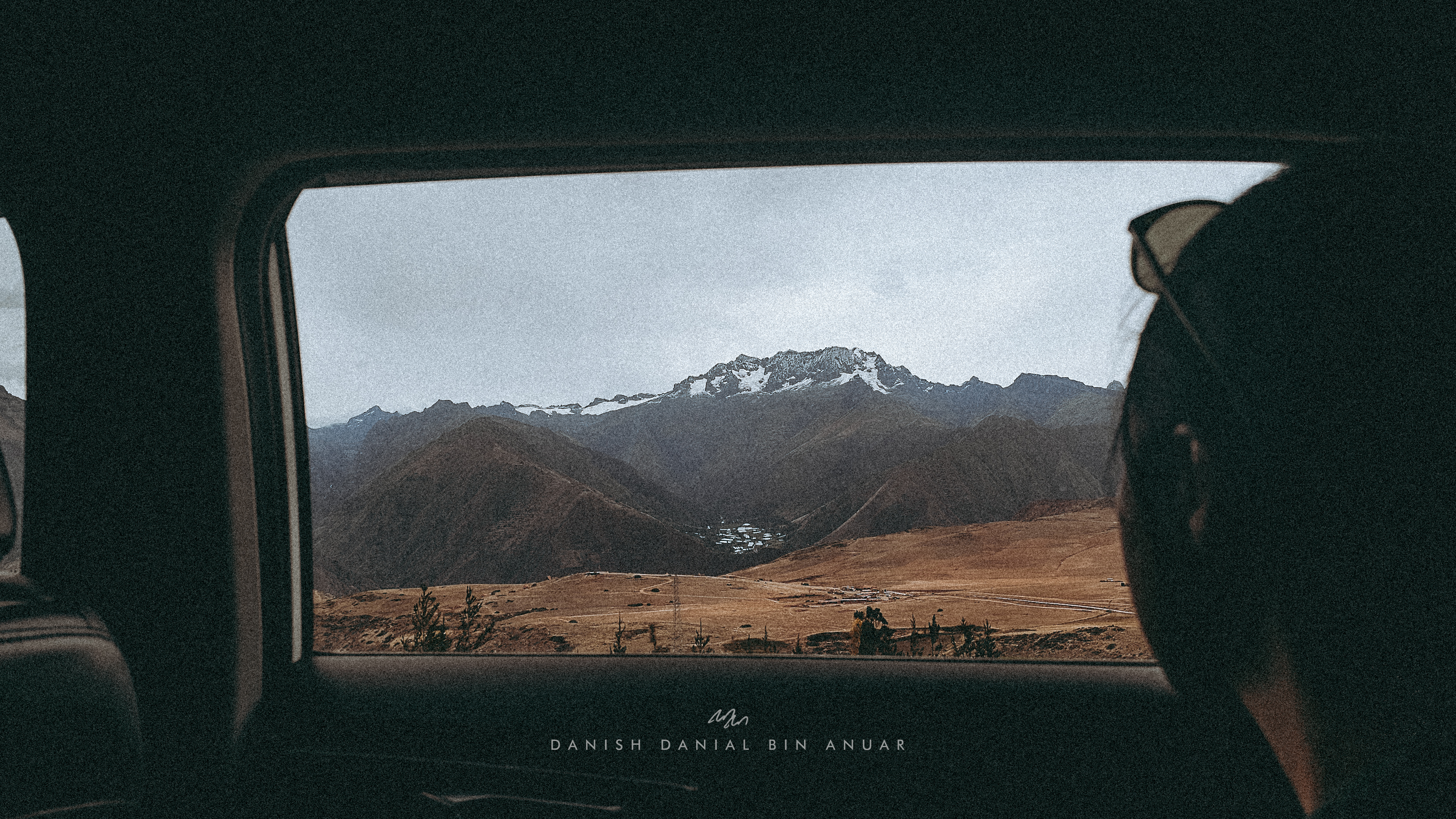
As we further descended, our driver used a shortcut through a dodgy, rough stretch of road on the side of the mountain where we had this full view of the Sacred Valley itself. As a side note, driving here in Peru is crazy.
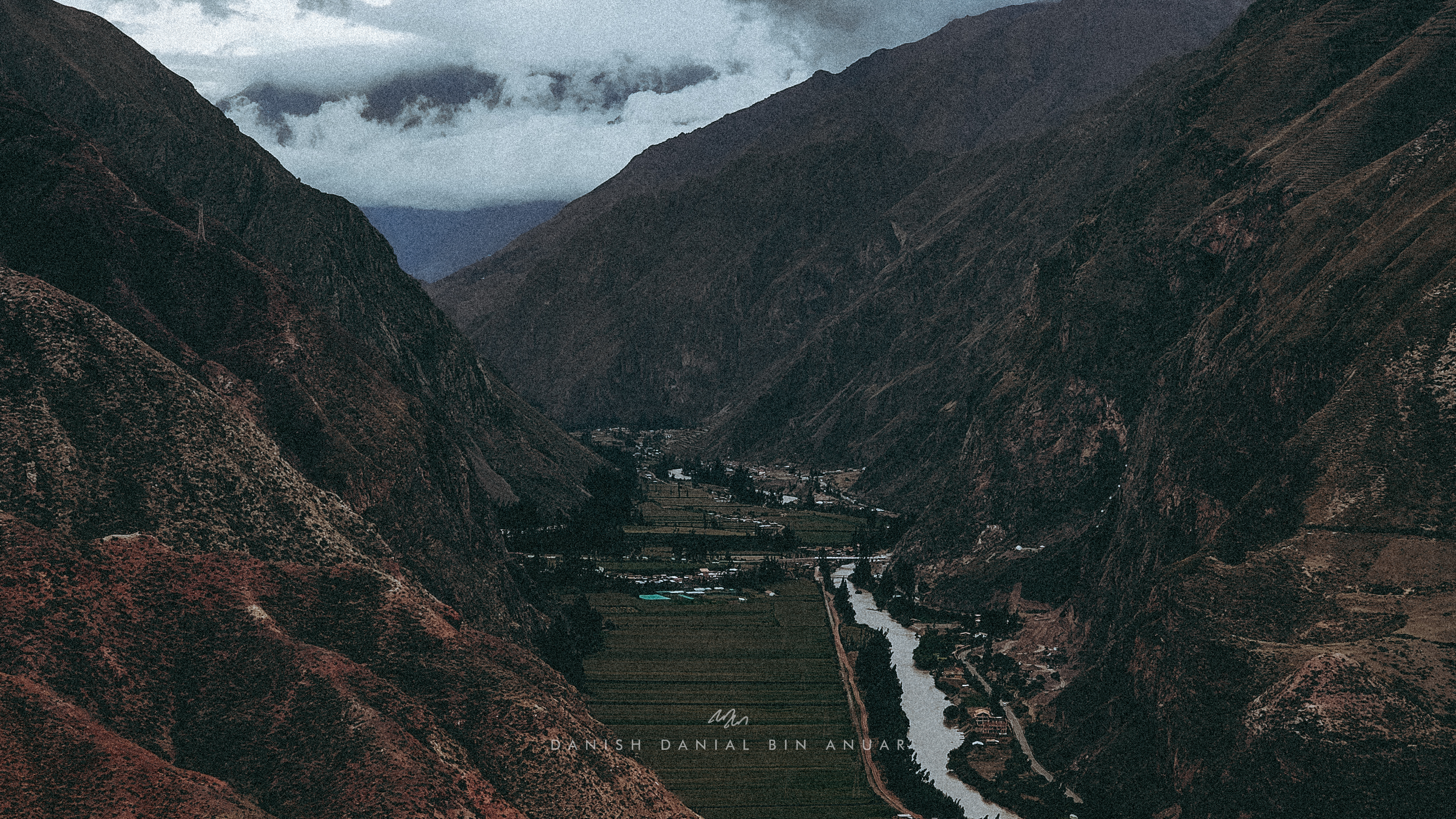
So now, we’re in the Sacred Valley, trying to re-saturate our bodies with oxygen, and hopefully – everything’s gonna be fine when we re-ascend. Well, not really.
Ollantaytambo
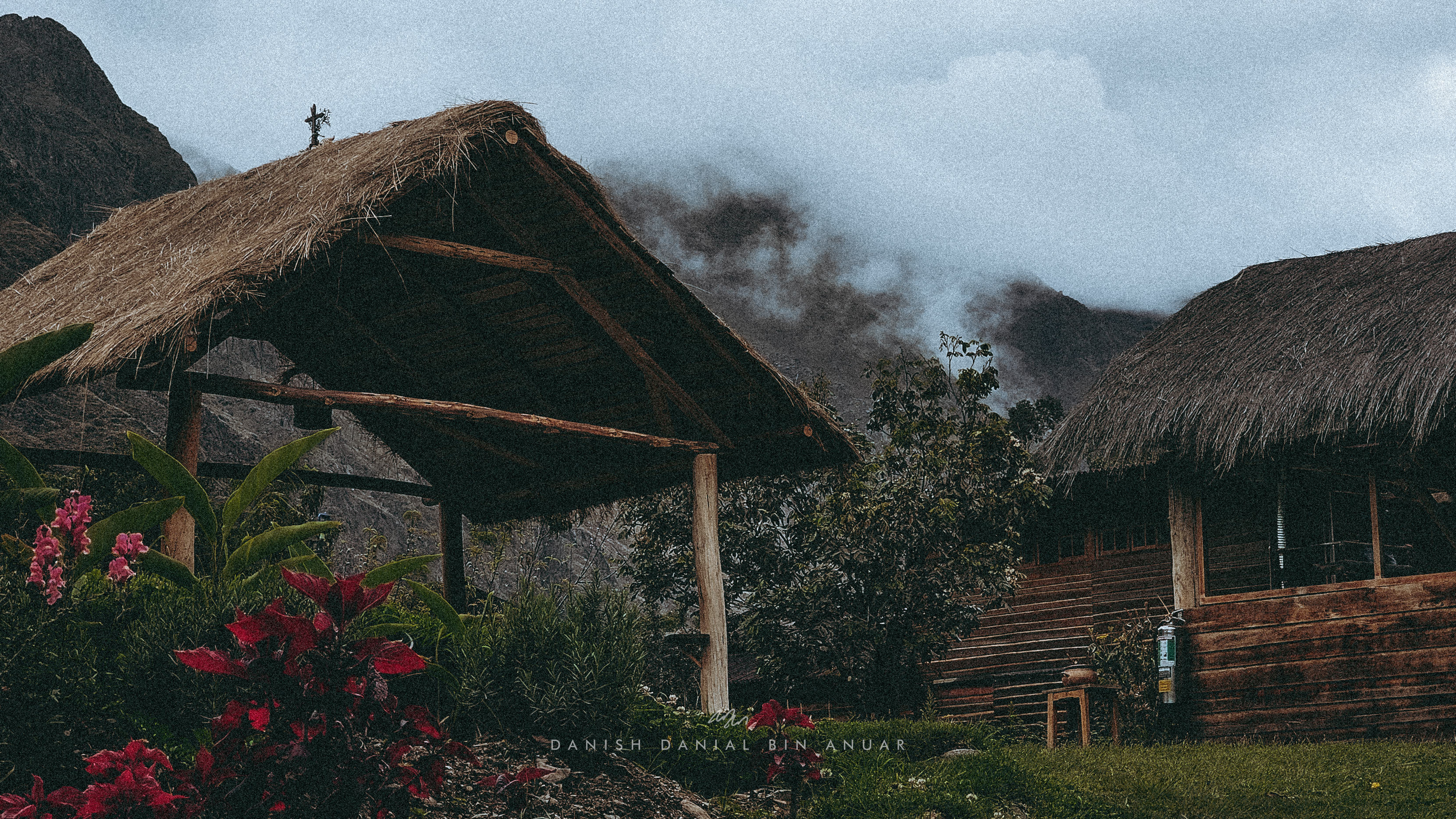
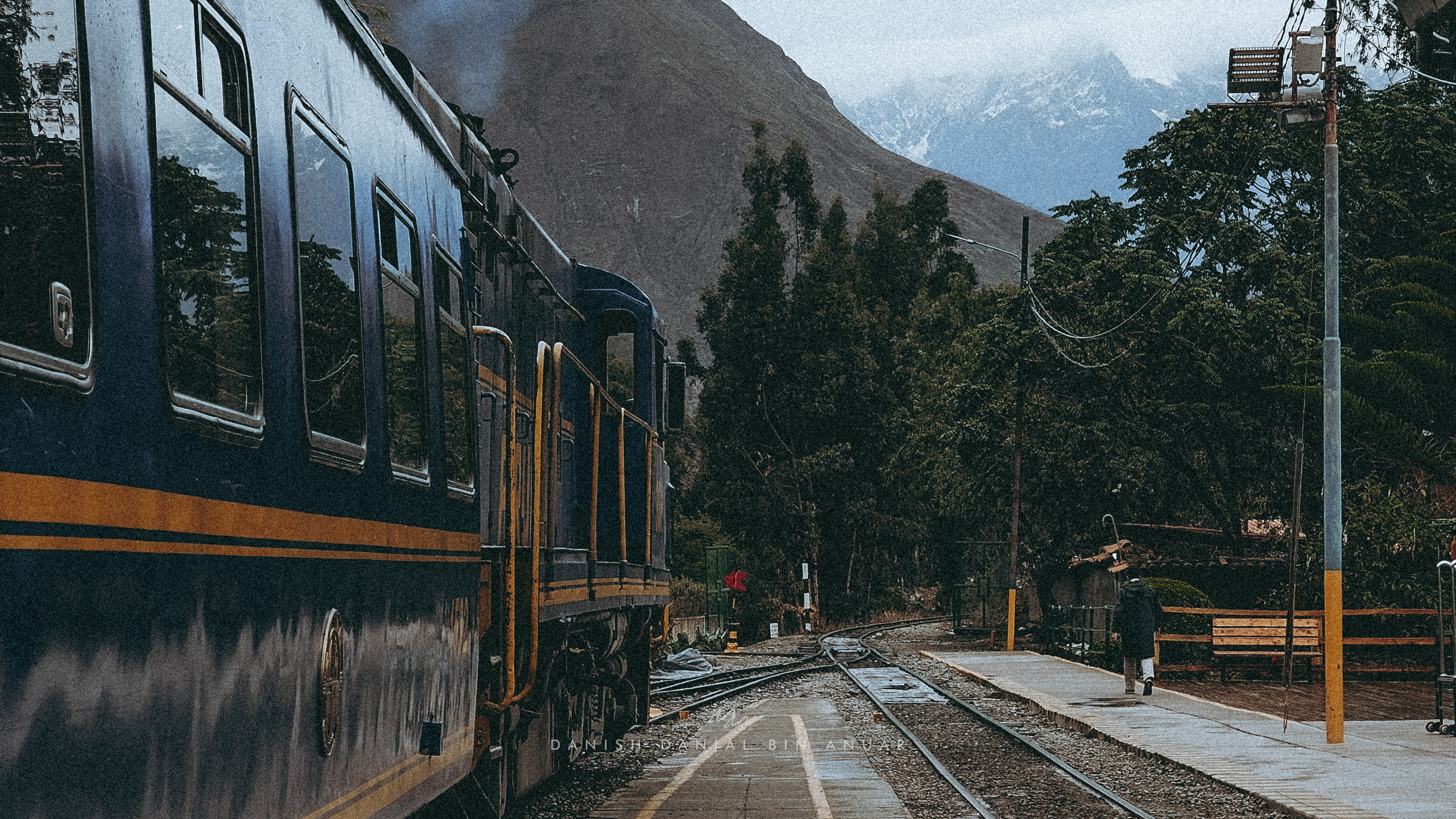
Our accommodation, El Albergue, was located next to the train station so every now and then, the building would shake from the chugging of the trains that come by. Kinda reminds me of the opening in the Polar Express but repeated a hundred times. We had a balcony which literally opens to the station platform so we could wave at people as they went on their way to Macchu Picchu. We had a really nice place to stay – it was what I would describe as a traditional hotel, and it has its own farm and gardens that we could explore.
The morning after, we decided to explore the city itself. We had to walk up this incline to get to the city centre, and the moment we got to the top, I thought we forgot our tickets to get into the archeaological sites. So I had to go all the way back down, to only realise that they were in my bag all along, and then got all the way back up again. Silly me. It didn’t help we were still acclimatising to the altitude.
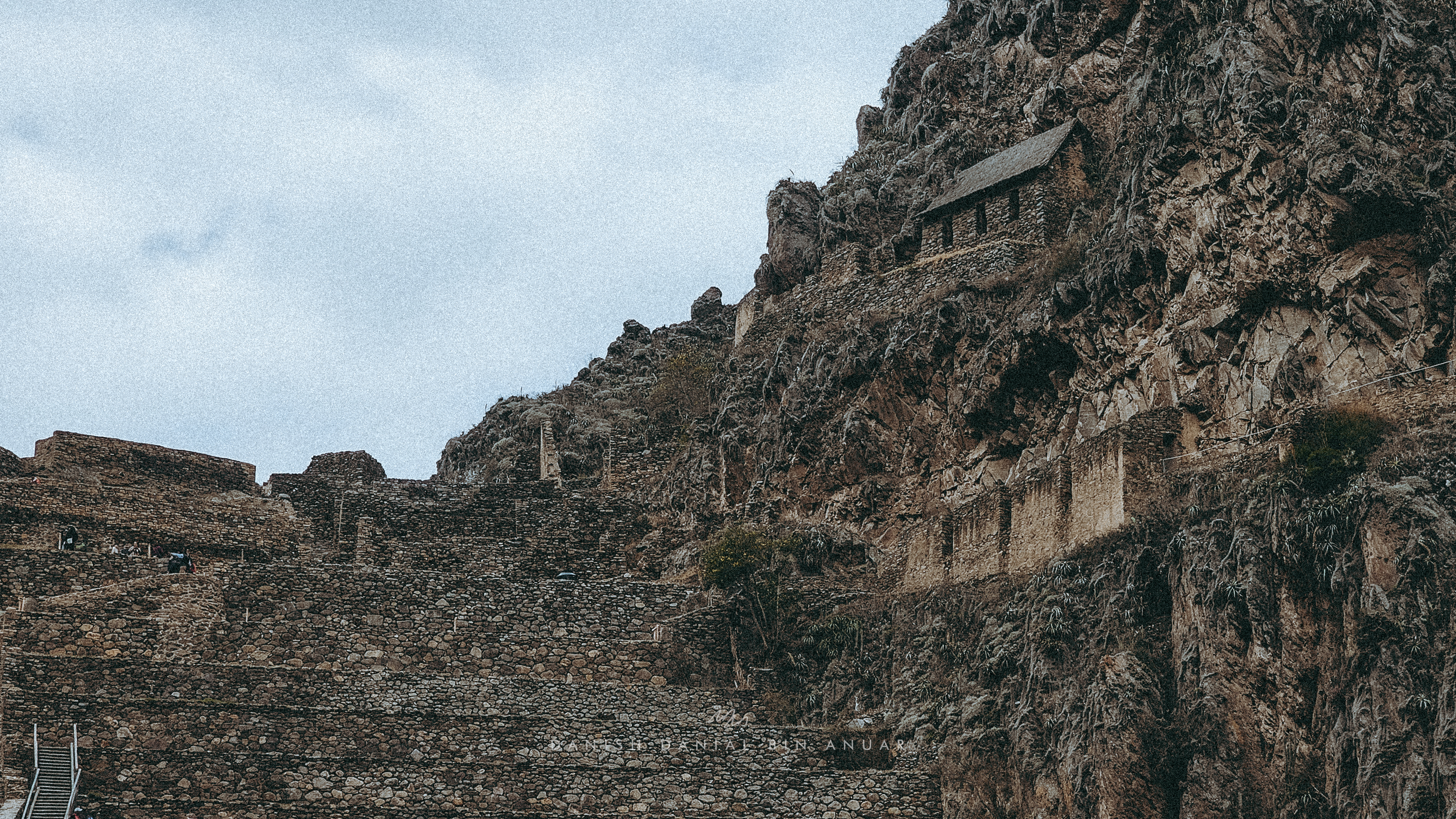
The ruins were characteristic of a lot of other Incan sites; terraces lined the side of the hills. There was quite a bit of climbing involved so we took all of that as practice for more climbing that we were going to do in Macchu & Huayna Picchu the day after. A lot of the stuff we did are reminiscent of exploring some unknown Lord of the Rings kingdom – as we ascended a hill, a mysterious structure reveals itself, well most of them are actually granaries.

For lunch, I managed to have a go with Peru’s national dish, Ceviche, raw fish marinated in citrus juice, combined with other fruits and vegetables.

Nausea, throbbing headache, diarrhoea, vomiting, sore throat, and loss of appetite. Sounds like a ChatGPT WebMD collab gone wrong or a to-do list from the Devil. Well actually, I got all of these from our second evening here. That was when our bodies got absolutely well, ruined. We took turns with the bathroom. All I remember was I was moaning, lying down on my bed in multiple awkward positions, and wanted it all to end. On top of that, my gut didn’t feel good as well but I tried my best to not puke. It was very dusty too due to the desert-like climate, and my ultra-sensitive respiratory system didn’t take that well. However, we just pulled ourselves together. Also, we were quite prepared – quite literally we had a whole arsenal of meds even Boots can’t match.
Macchu Picchu
So, Day 3 – big day for us. If you’re going halfway across the world to Peru, and not see Machu Picchu, then what are you doing, right? We were quite close to being in that situation since tickets were selling out really quickly months in advance. But here we were!
So, we boarded a train early in the morning from Ollantaytambo along the winding Urubamba River to Aguas Calientes. Pretty cool views of the mountains above and it was interesting to see how the climate slowly transitioned from a tundra-like environment to the tropics. Also, it was our first time in the Amazon! Along the way we were reminded by the train’s public announcement system a hundred times that it was a, “once in a lifetime journey,” and I’d be richer in Peruvian currency than any currency exchange in London if I got a Sol for every time the train announced that.
We got a shuttle up to the ruins of Macchu Picchu and had Antonio, a guide we scouted for at the base to guide us around. Impression – he’s the kind of guy I’d love to have to be my bedtime story reader and made our tour so much better. We learnt quite a lot of fun facts about the city; how this city mainly served the nobles of the empire including royalty, astronomers, and artisans, the fact that this city was left intact because it was never discovered by the Spanish, and how intricate the brick walls denote how important the building was. You could see the difference between houses where the blocks were just mushed together, and buildings that were built nicely. I was mind blown that it takes 1.5 months to carve a standard-sized block. There was a plaza where you would clap and it would echo back. Had a bit of fun clapping as everyone else followed suit. Also got to meet up close the resident Llamas with all the arching hills in the background. This one looked like a chicken drumstick.

I’ve got a photo of me smiling with Macchu Picchu in the backdrop, but I’m really trying to stop myself from puking. It’s the same face I give whenever my boss asks me if everything’s okay at work. Anyway, we were quite prepared – quite literally we had a whole arsenal of meds even Boots or Guardian can cry.

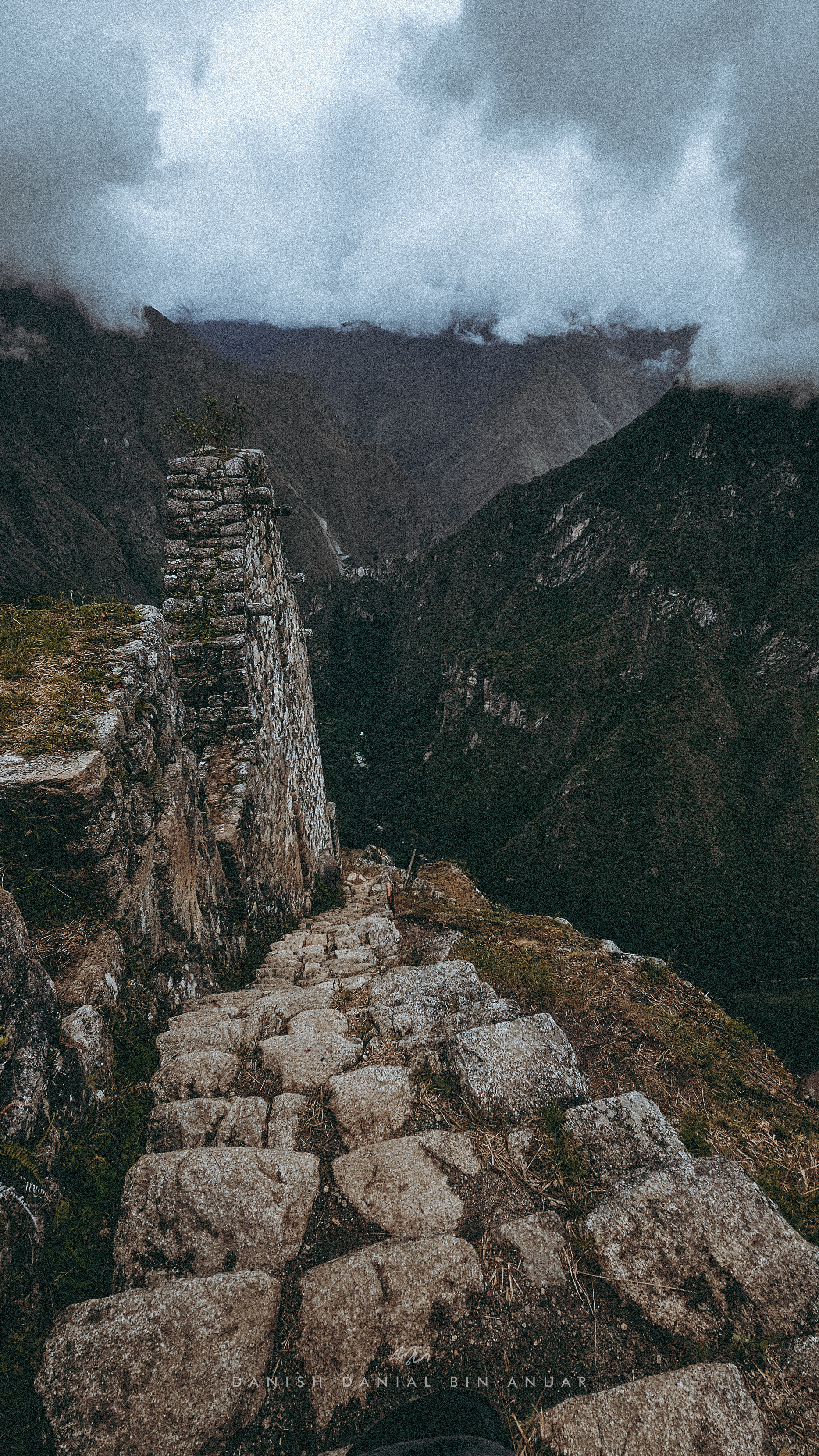
Later that day, we bid adios to our guide, with our hands on our hearts, and our hands on our wallets (because we had to pay him). We then continued our first climb of our trip, Huayna Picchu which was known to have loads of quote, “death stairs.” Quite literally, one bad slip on any of the tight and steep slopes and you’ll be lead directly several metres to the valley below. Although our bodies were in a bad shape, all was worth it as we got to the top as we got absolutely breathtaking views of Macchu Picchu below.

Pisac
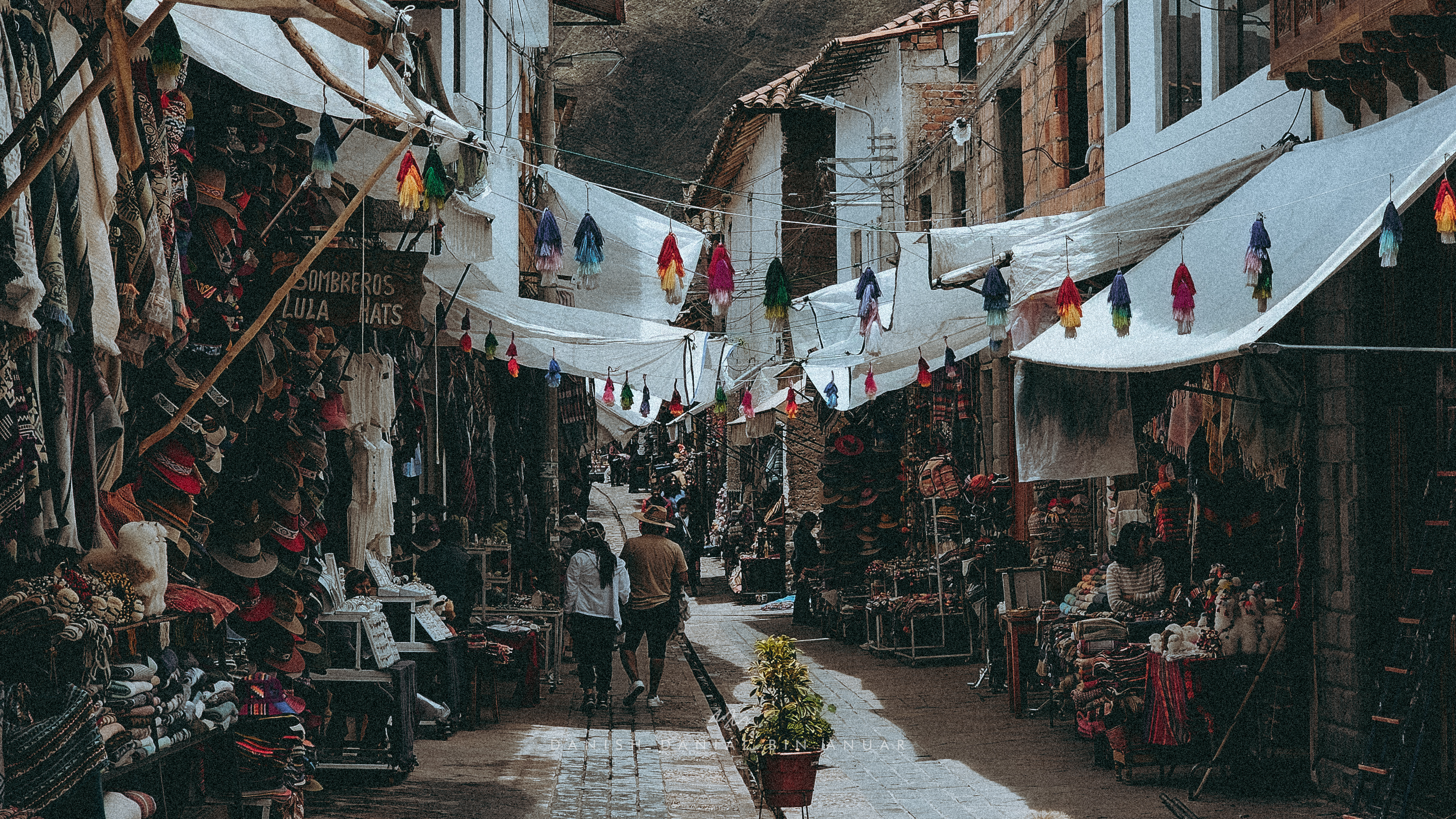
We made our way back to Ollantaytambo to catch an evening taxi ride to Pisac. I was knocked out just a couple of minutes in. Driving here is crazy anyway, and I’ve gotten used to that, but I was suddenly woken up by our driver slamming the accelerator. I looked outside the window, and we were chased by a pack of dogs. Anyway, we spent a night in Pisac, a modestly sized town at an elevation somewhere between Cusco and Ollantaytambo – so it was a perfect stopover to acclimatise. We explored the town for a bit – we visited the Artisan Market, a wet market, and aimlessly went in between the different alleys. There wasn’t much hustle and bustle in the Artisan Market, it felt like we had the place mostly to ourselves. There were tons of shops selling all kinds of art including paintings as well as traditional Incan-wear, bags and stuff of that sort.
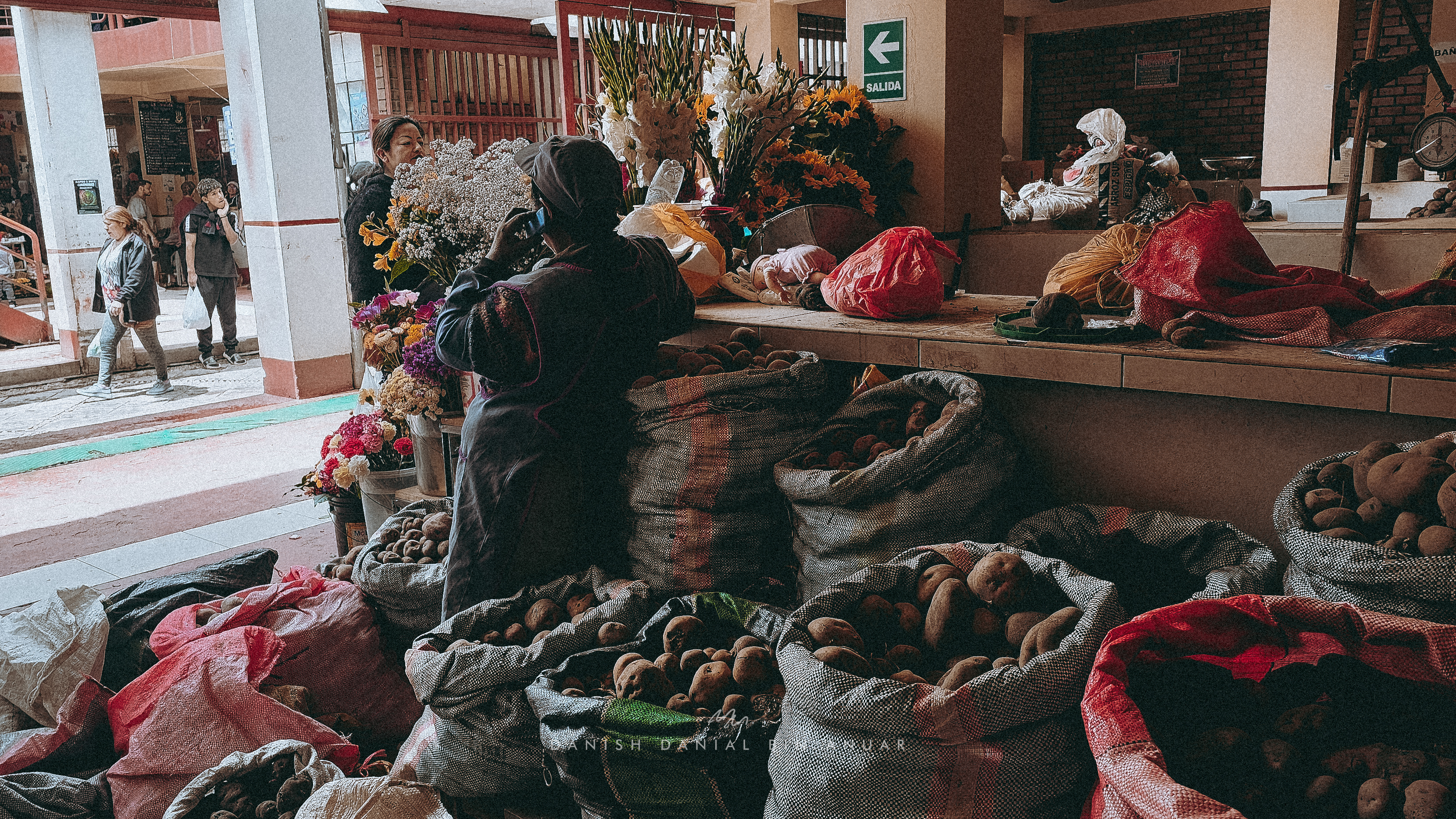
The wet market was a lot more lively as locals went around to shop for their daily shopping. It was also an eye-opener to the type of produce that were local to that area. I’ve never seen so many variations of potatoes in my life. There were shops lined with bags of potatoes of different shapes, sizes and color, and it was fascinating to go to each one of them and examine them closely.
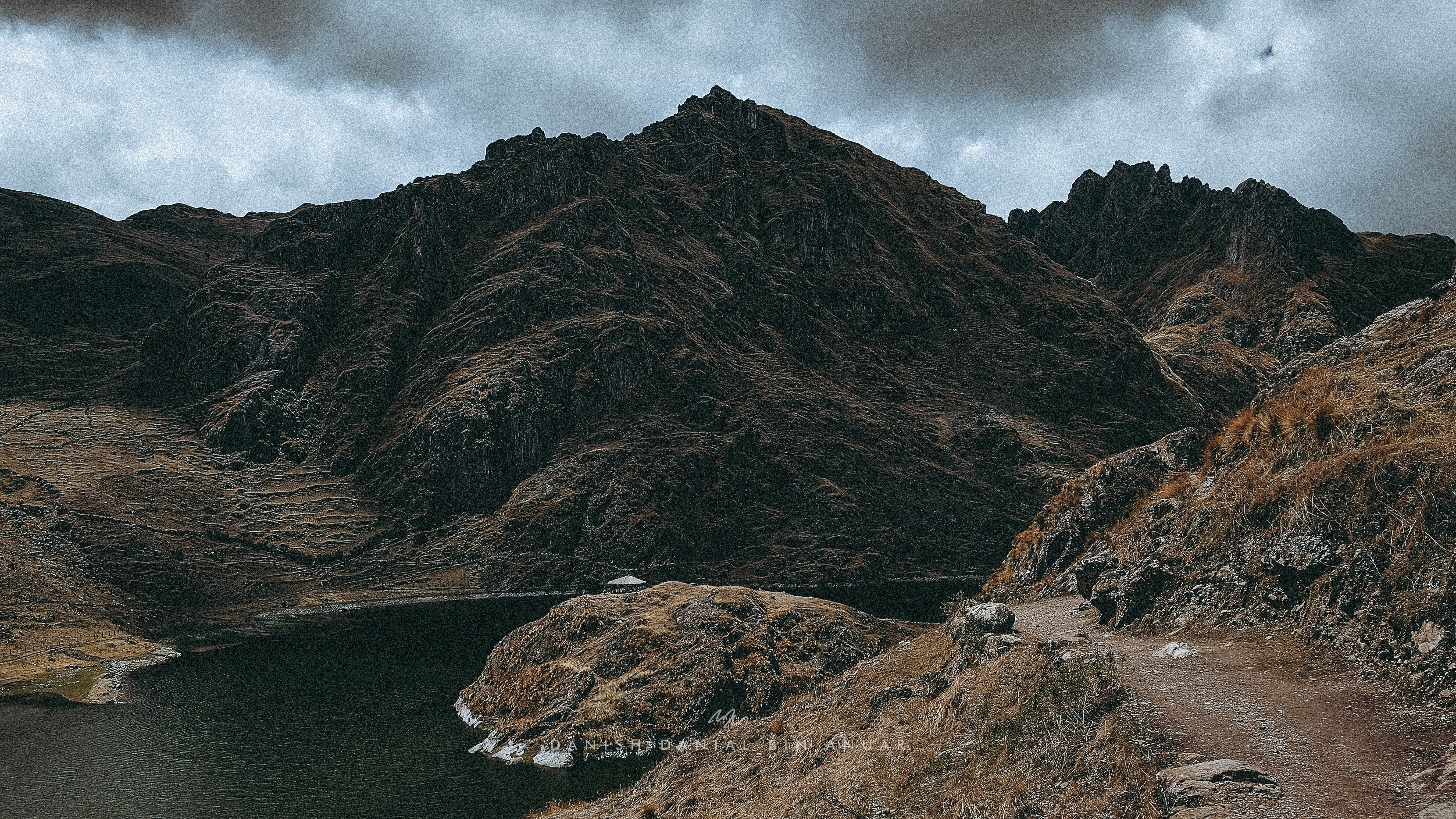
We also made a last-minute plan to hop on a taxi to visit a nearby lagoon called Kimsaqucha. Prior to that day – we promised ourselves that this was meant to be a chill day. The moment we stepped out of the taxi, and climbed up just a few steps, I realised something was amiss. I started panting heavily, and the air didn’t feel oxygenated enough. I then pulled out Google Maps and realised we were 4,200 metres above sea level. The good thing is at least we had a heads up of what was to come for the Humantay Lake hike the day after which was to a similar altitude, and we did get picturesque views of the lake and views on the drive to this lagoon.
After our little side-quest, we were on our way to Cusco, where it would serve as our base for the rest of the trip.
Humantay
They say you’re only lucky two-thirds of the time as a tourist in Peru. Humantay was our unlucky one-third. On the drive to Soray, where we would start our climb, as dawn broke, clouds started to form. Then, it started raining heavily. As it all persisted, we kinda accepted that the clouds and rain were never gonna clear. When we arrived, our guide, Achilles sarcastically exclaimed that we were special people to have unique weather for our climb. Yeah. Right.

Anyway, this trek was the first test of how well our bodies have acclimatised to the altitude. Our final point was at about 4,200m above sea level, and I personally have never been that high in my life (insert joke here). The night before, we were already struggling to climb up a few steps lugging our bags to our hotel at a lower altitude in Cusco. Maybe that was the “extreme sport” that insurance companies are referring to. Quite literally, on the way up, all we saw was nothingness except maybe a few horses, grass and a couple of rocks. Other than that, we bumped into a couple of “cheaters” who went on horseback to get to the top (that’s no fun). I was trying to keep up with the rest of the group – so I was finding little opportunities to catch my breath with my head down the whole time. As we got higher and the air got thinner, I got reminded of a certain scuba diving incident years ago when I ran out of oxygen (I know I was stupid). What reminded me of this was the fact that it felt like I was breathing air that didn’t have any oxygen in it. To compensate for that, I’d have to take in deeper breaths or ventilate at a much faster rate. At the top, spoiler alert, we didn’t see much. Maybe a silhouette of the mountain overlooking the lake but that’s about it. The group pretty much accepted that it was what it was, spent just a short 5-10 minutes looking around and went back down. Well – it was disappointing, but we had some optimism as we descended. We had another big trek in a few days to Vinicunca and the Red Valley. If what they say about being 2/3rd lucky was true, which, spoiler alert again, was eventually true, then we pretty much could go home happy.

Cusco
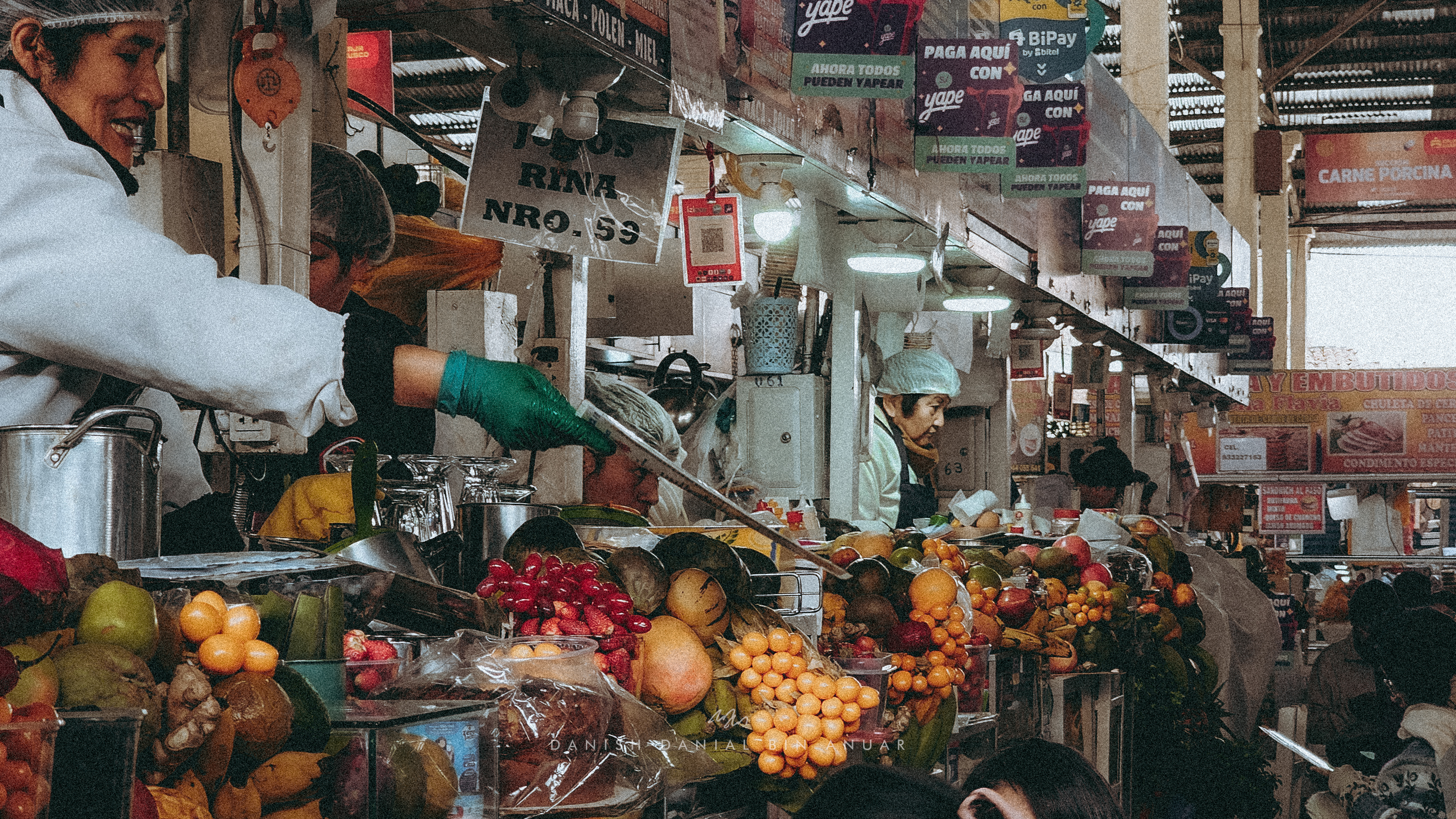
On Day 6, we had a full day to explore Cusco. We joined a free walking tour led by Elvis – “like the singer,” he said. Anyway, before that, we spent some time walking around the Mercado San Pedro and found very, like very interesting things. The one that stood out was the butcher section, where they literally had everything on display. Guts, brain, heads, everything. There was also the smoothie section where there were like 100 stalls selling the exact same thing. It’s very intimidating once you enter the aisle because literally every stall owner is gonna call out for you and wave their menus at you. Of course, we were wondering if they were selling the same thing, how are they making money? Our guide mentioned that they did business with regular customers, or in the case that you’re not a regular customer, the one with the best charisma wins. No – we didn’t mentally score the way they called out for us, we just went to the closest one for our shakes. Also, the fruits and vegetables were wild – like they were huge – you could put two heads in them, and we saw varieties of potatoes and corn we’d never seen in our lives (Peru is home to more than 4,000 varieties of potato). Corn here isn’t corn that I was familiar with back at home either. They were more like huge rice grains that complimented things like fish and meat. Roasted Guinea Pig is a typical dish here as well. For us that usually look at them more as pets, it’s of course a little unusual – but it’s something regular for them. You’ll find them sold typically in markets and stalls at the side of the street too. Elvis showed us a picture of a Peruvian version of The Last Supper which was hung up in the Cusco Cathedral, the original being painted by Leonardo Da Vinci. “What do you see here that’s unusual?” In the middle of the painting, there was a roasted guinea pig on the table.
In the middle of the square, there was a statue of Tupac Amaru II, who was well known to have led a revolt against the Spanish. One coincidence and fun fact was the statue pointed towards a statue of Jesus at the top of a hill nearby, which was previously not there when the statue was erected.
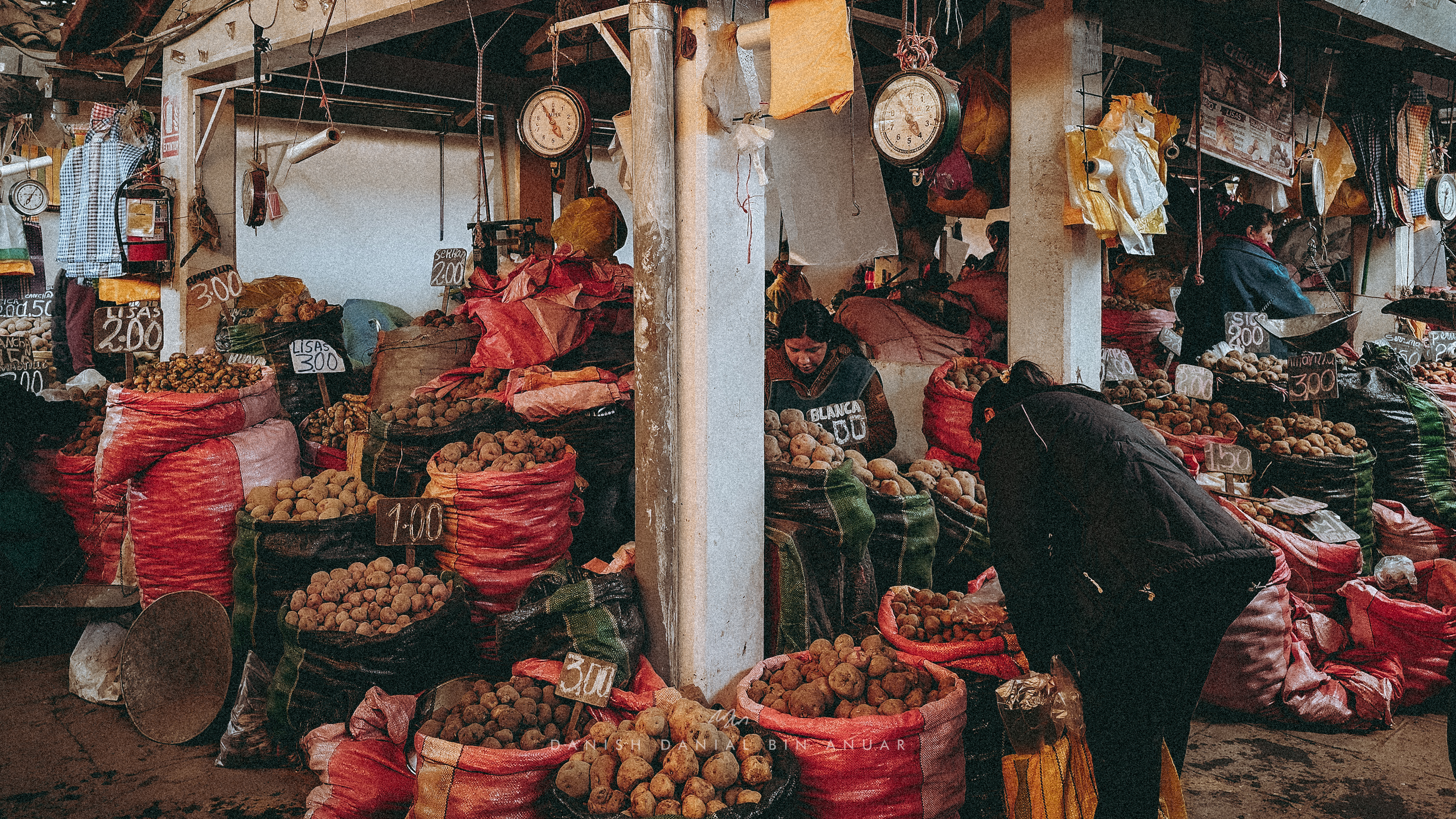
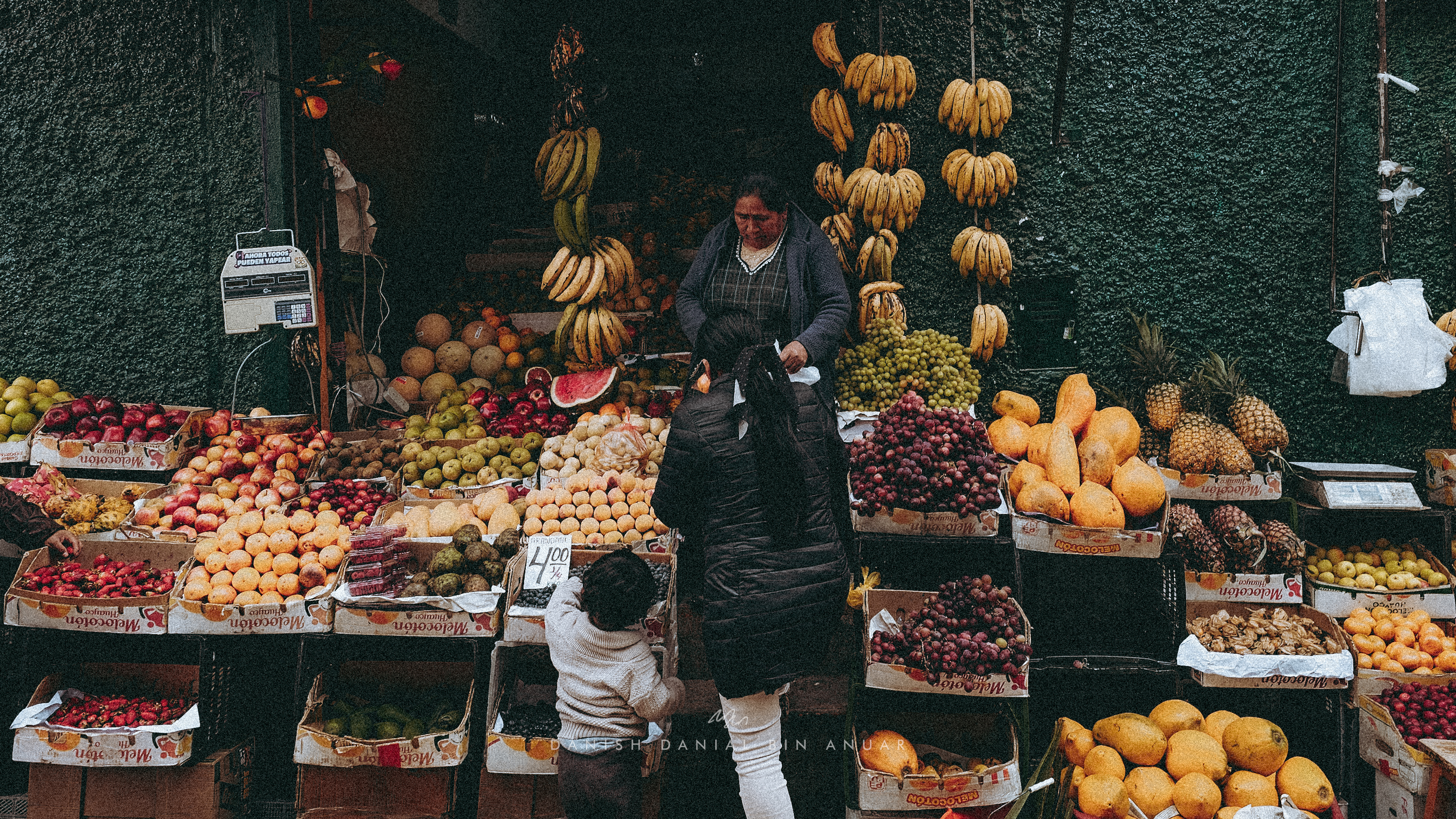
We continued our tour of the city with many interesting facts as well as some insight into Peruvian culture/way of life – we’re very glad we signed up for this. For example, by coincidence, the city was shaped like a Puma. We also noted that there were so many clock towers that never worked but our Elvis insisted that the clocks were always right twice a day. The architecture here are mostly based on Southern Spain – Elvis noted that the church’s roof resembled an Andalucian mosque. That’s because most of the initial Spanish invaders were from that region.
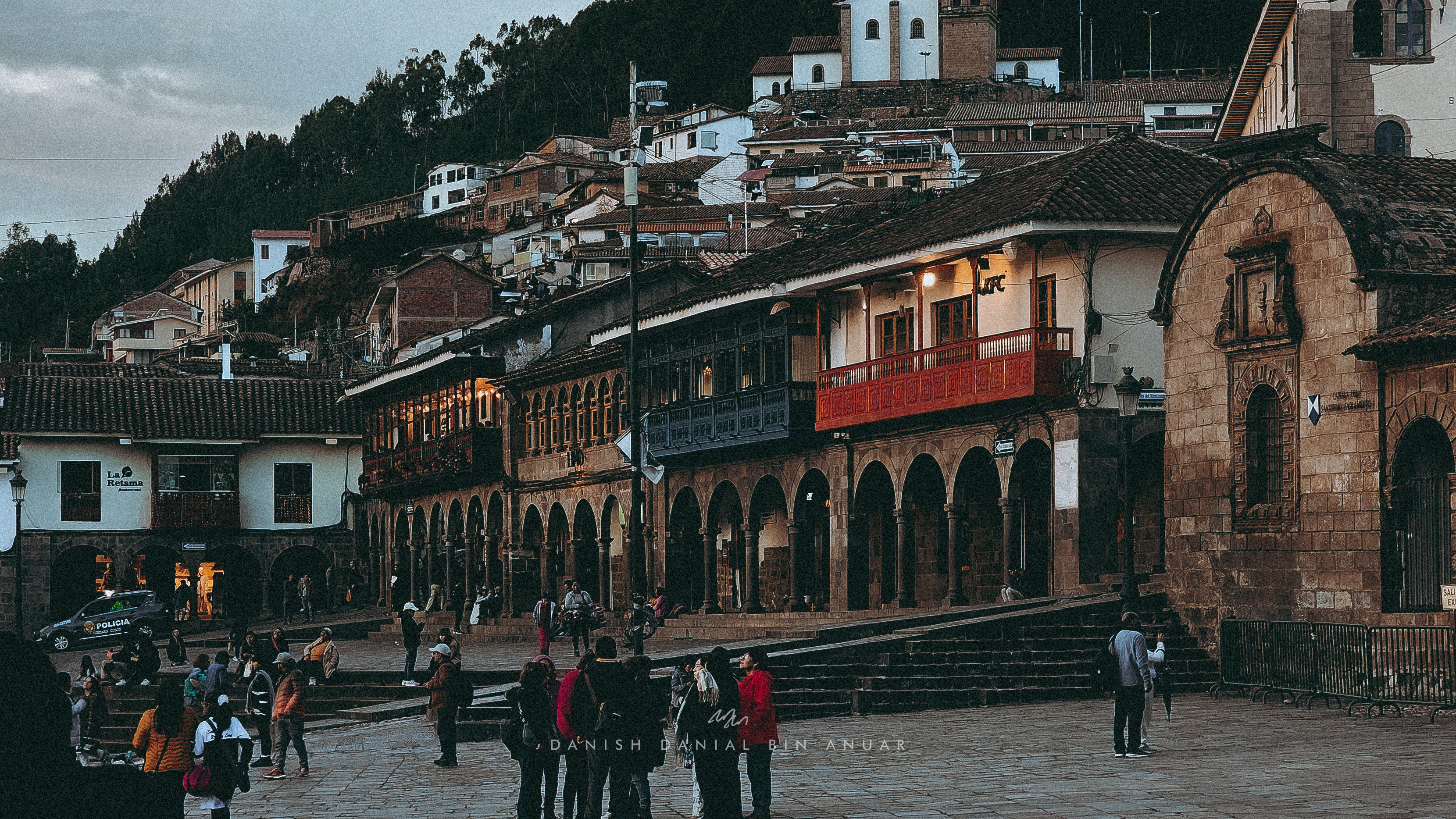
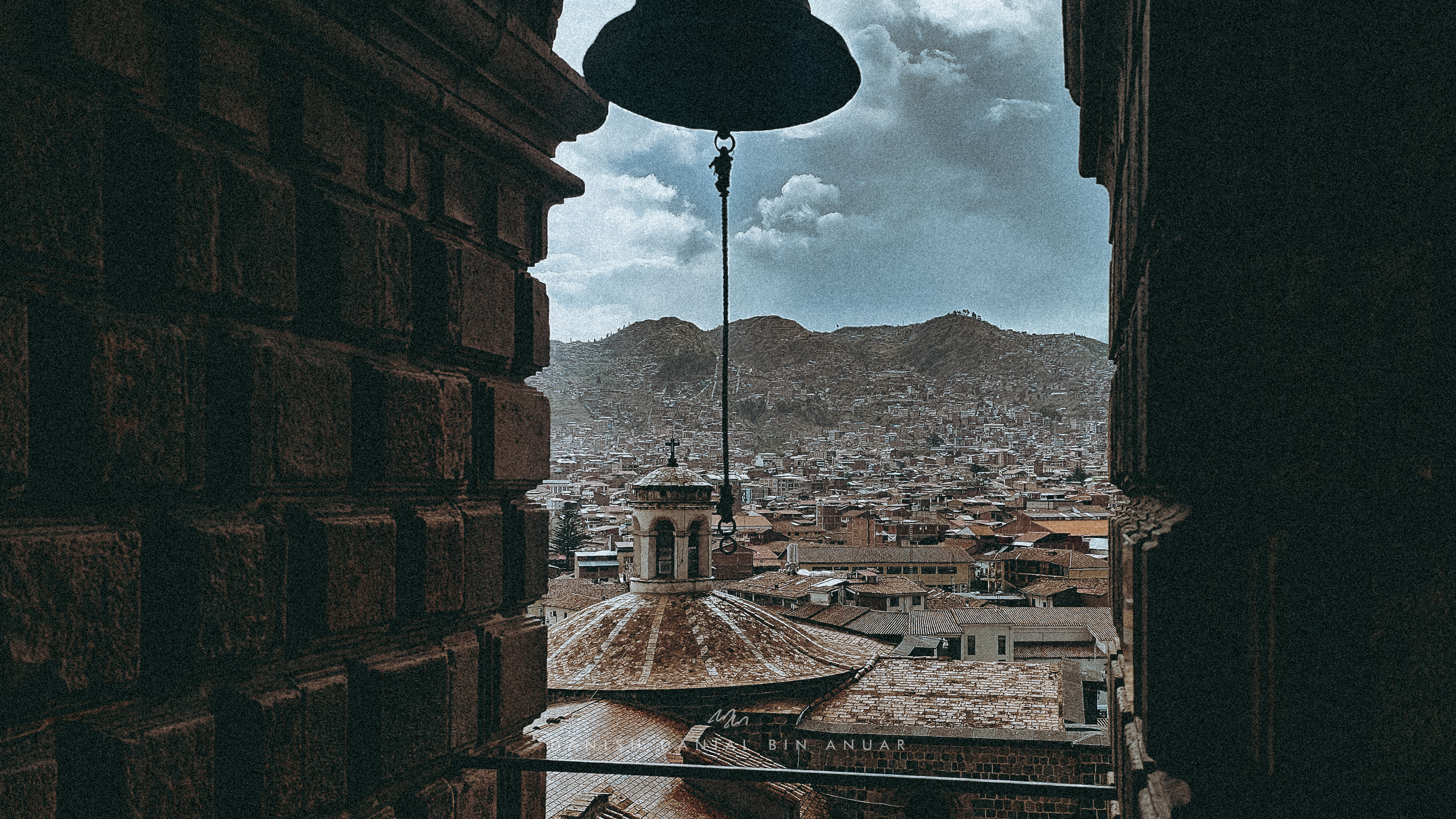
We ended our day exploring the Temple of The Sun – used to be an Incan temple but the Spanish built a church on top of it. Following an Earthquake, Incan walls were revealed and surprisingly, still very well intact with loads of detail on there. There was a bell tower that we could climb up to where we got a view of the city. Other than that – we tried some Picarones (fried dough in syrup) and Lucuma Shake (a fruit native to South America that Elvis mentioned tastes like peanut butter – I don’t think so, Elvis). These are things I still think about today and I wish today, had immediate access to.
In our final few days in Cusco, we pretty much explored the rest of the city. We paid a visit to the head of the Puma-shaped city of Cusco, Saqsaywaman. The site was impressive – covered a huge area with a view looking over all of Cusco. The walls were made up of massive monolithic blocks that left us wondering how they got them up there in the first place. There were loads of fun facts about the site as well – walls were zig-zagged to represent thunderbolts, and parts of the walls were modelled after different animals including the Guinea Pig. We were also shown impressive Incan hydraulic ingenuity as well. Along the way, our guide, Edmundo enthusiastically told me how he was gonna make my phone “magical” and he did take pretty impressive (and hilarious) photos of us. We also had fun sliding down a bunch of rocks on an archaeological site only to be told moments later by Edmundo that we were next to an area where they found mummies.

As for the rest of Cusco, we explored different neighbourhoods and went back to San Pedro market to explore the shops and streets we previously never explored (and found some cool stuff too other than more varieties of potato).
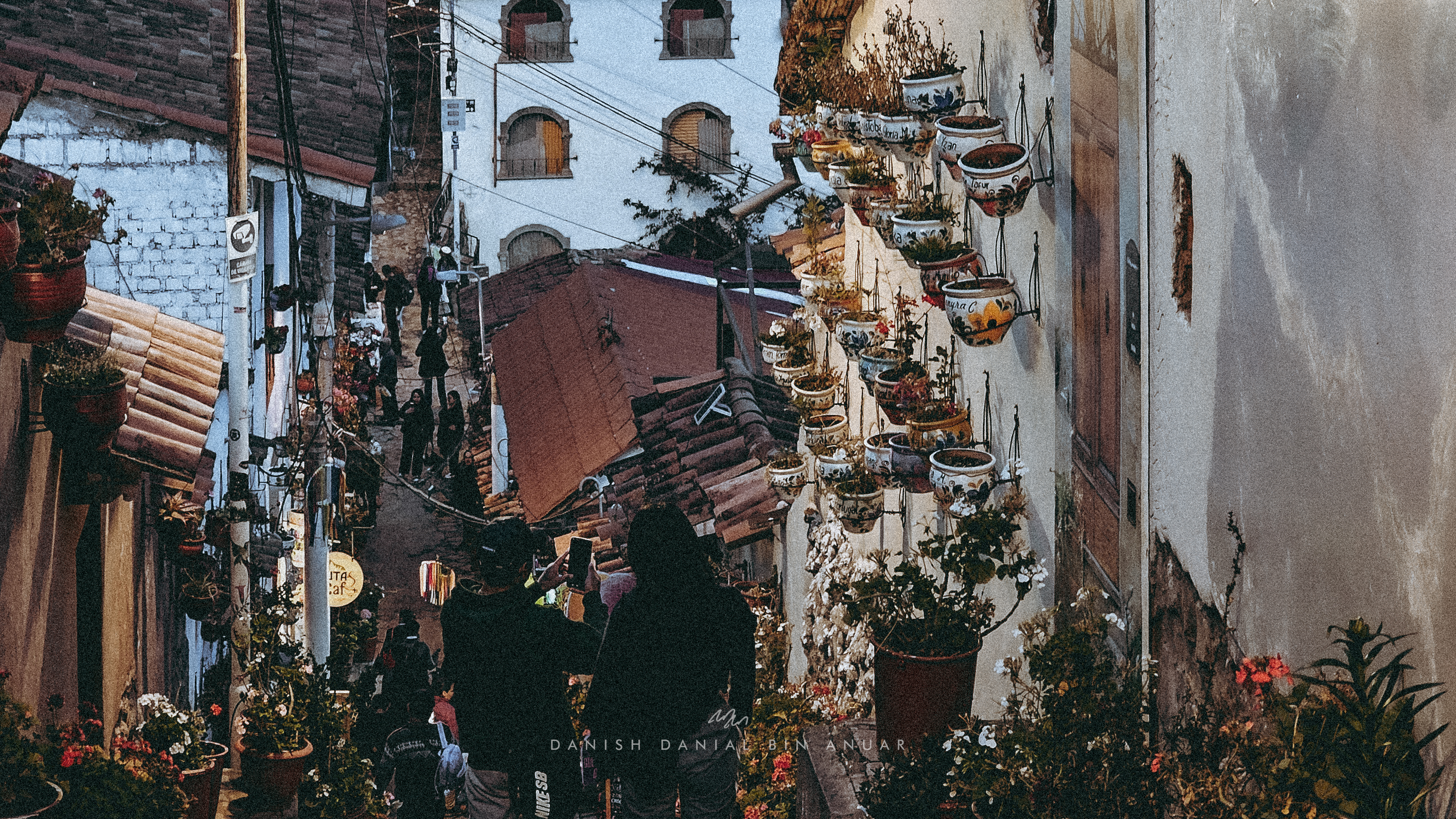
We then ended our trip with a chocolate-making workshop – never knew brewed Cacao drink was a thing. Also, I had chilli, salt and cinnamon in my chocolate. We also made a bunch of people clap and shout “Oi! Oi!” to Chan Mali Chan, a Singaporean folk song.
Vinicunca
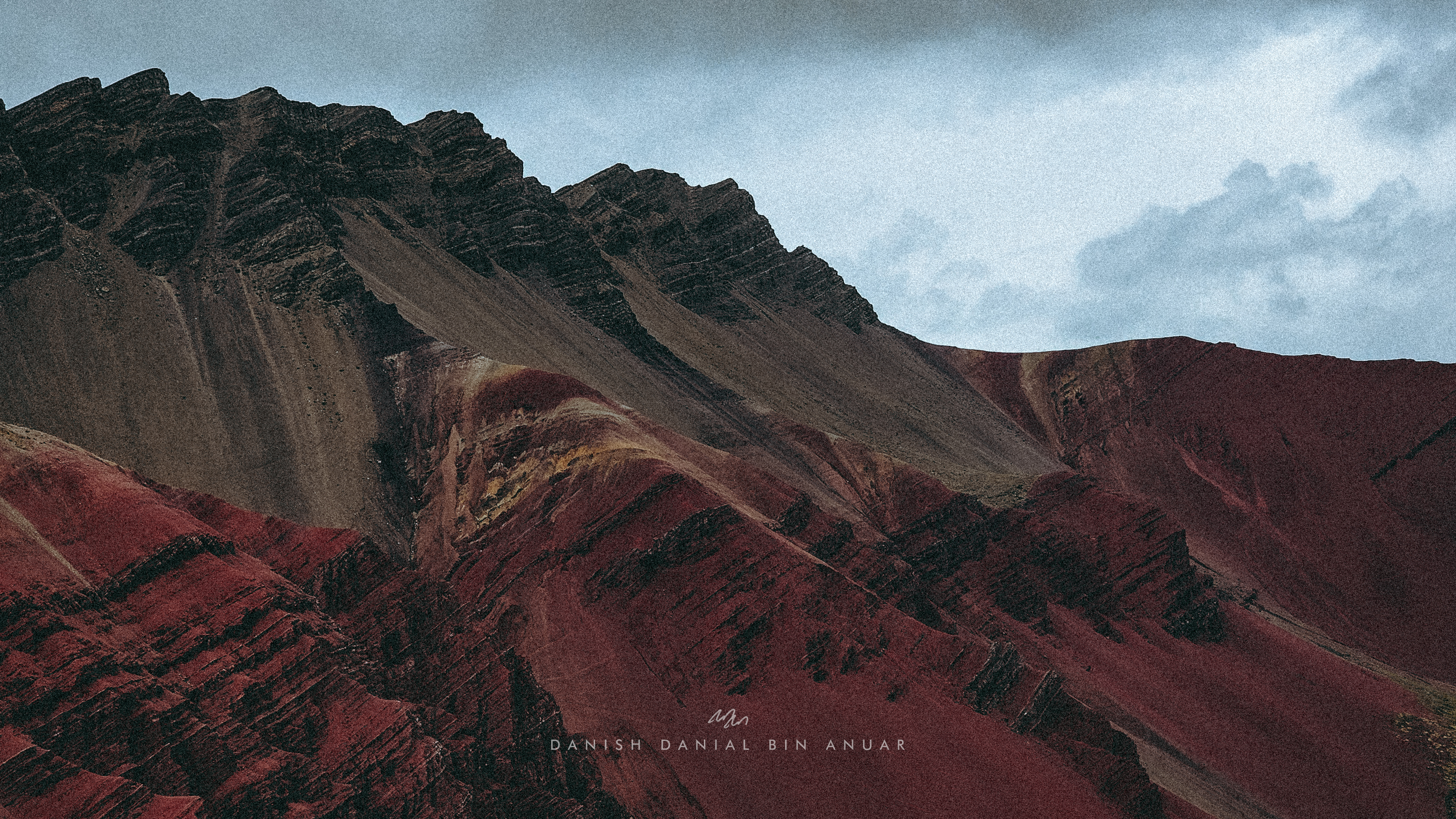
This was our last of our three hikes, and our roughest. Our guide Tito, like all of our other guides, mentioned that we were very special. Agreed – the weather was almost perfect, and it just so happens that our entrance fee to the mountains were waived because the tribes based there had a little conflict over who got to keep the money. The top of Vinicunca, also known as Rainbow Mountain, was at an elevation above 5000m. If we made it, that would be the highest I’ve ever been in my life, and possibly, for a long time. After all of the altitude sickness I’ve experienced, yeah I don’t intend to go that high again anytime soon. The trek profile all the way up, assuming if it were at sea level, would supposedly be just a regular walk in the park. Reality is, altitude made it seem like a route march of some sort. Our guide brought with him an oxygen tank and mentioned to give a shout if we ever needed it. When our hike started, our group spread out because some of us fared better than others, and funny enough, we couldn’t spot our guide so I guess we’ll do without the oxygen tank then. We were assured that we could take our time but the irony was we had to meet at 10:10 at the top so I guess that wasn’t at all true.

The views were some of the best I’ve seen the entire trip – glacier capped mountains, villages in the valley below, llamas staring down at us like the majestic creatures they are. What I was more fascinated by were the local villagers running up and down the mountain in their sandals, while we were hyperventilating trying to catch our breath making baby steps. Absolutely crazy. The final 200m was rough – I stopped and fell behind for quite a bit because I started feeling dizzy, and the world started rocking around me. Took a few stops to re-orientate myself. When we finally got to the top – the views were magnificent. It wasn’t just the Rainbow Mountain bit, but the other mountains and the valley around us were spectacular too. It was a relatively clear day as well.

Our hike didn’t just end there – we decided to continue into the Red Valley, which was such a sight. There was this huge transition from the rocky plains into this sea of red.
Lima
We meant to explore a little more of Lima (we missed out Centro Historico) but instead, we experienced one of the joys of staff travel. The afternoon before, we tried for 3 consecutive flights and we couldn’t get on any of them because they were full. Well, no biggie for us – we spent a couple of hours at the airport until we finally got on the 4th try. It’s crazy that there are 35 flights a day on A319s & 20s and they’ve managed to sell them out. Need to commend the LATAM staff though who helped us relist and drag our luggage across gates! Maybe Cusco didn’t want us to leave.
Lima was a sidequest-oriented thing. We kinda knew where the main areas were but we didn’t know specifically what were there. In fact, we didn’t realise our hotel was next to a pre-Incan site. It wasn’t small either – archaeologists took decades to uncover what we were able to see today, and they expect to spend a couple of decades more. Huaca Pucllana was built as a temple dedicated to the sea, and it was used by different civilizations for multiple purposes including as a burial site. It was pretty interesting to see up close how they’ve constructed the temple using millions of mud bricks, and how they’ve buried people in the past.

Later, we took a walk along the coastal cliffs of Miraflores. I was particularly excited because living in the outskirts of London, I hadn’t smelt or seen the sea in ages. It’s crazy to think that if you were to sail in a straight line from the coast, you’d have to go through the vast South Pacific and hit the shores of Australia.
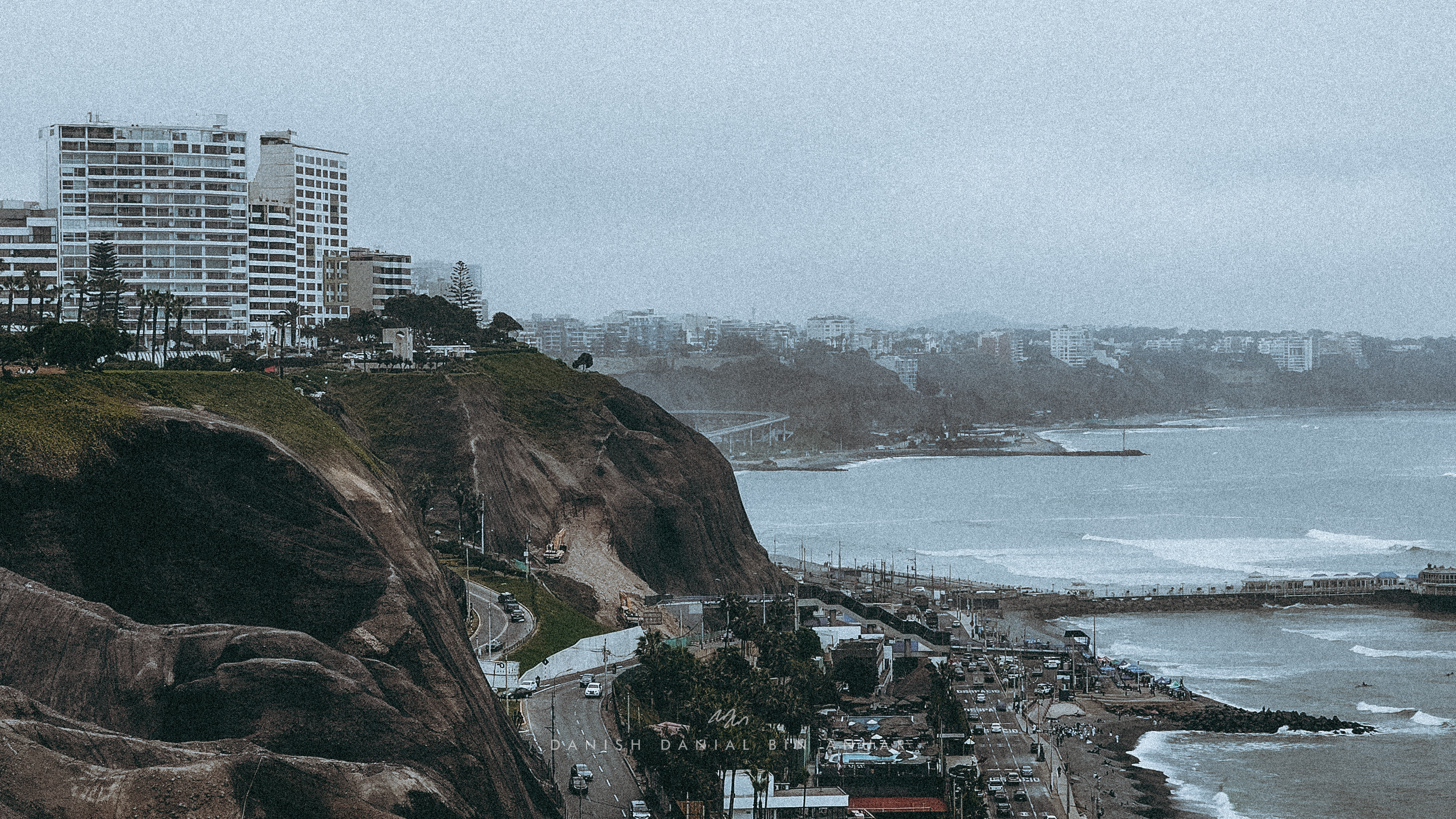
We then took an Uber to the Barranco district where we aimlessly explored different streets and alleyways. There were loads of murals to hunt, interesting shops, and stuff we didn’t expect like an old electric tram, an electric museum, and a Christmas Market. The neighbourhoods we explored (Miraflores and Barranco) – we appreciated the fact that the houses here, though modern, had some character to them. We compared them to the houses we’d typically see in Singapore (which are uninspiring). And yes, we were also very nosy – we did peep a little into people’s houses.

As the “bubbly feeling” from the altitude pills was long gone, a different kind of buzz remained. Peru was no longer a collection of browser tabs, history videos, and anxious Google searches about oedemas. It was no longer an abstract, faraway place on the other side of the world. It was now a physical memory: the throbbing headache in Chinchero, the taste of a Lucuma shake, the sheer panic of an unconfirmed standby ticket and getting chased by a pack of dogs, the breathtaking, oxygen-starved awe at the top of Vinicunca. It was also a trip of “death stairs” with epic views, kindness from guides, and history so immense it rearranged my perspective. The “grand adventure” we’d plotted on that Excel sheet as intricately as a carved single Incan brick had happened. It was real, and so much more magnificent (and exhausting) than any documentary could ever show. Whilst it wasn’t a disaster, ultimately, it was the place that had absolutely, thoroughly ruined us, in a good way. Like that cheeky grin of a flight attendant, I looked back at this trip the same way.
Peru was a good introduction to South America. It was something I would definitely consider as a trip of a lifetime. For more photos of my Peruvian trip, head over to https://www.behance.net/itsdadanial
 Danish Danial Bin Anuar